

HE Manufacturing · Knowledge Center
Blog & Industry Insights Formulation, Private Label & Contract Manufacturing Guides
China Best French Triple Milled Bar Soap Manufacturer
Table of Contents
- Definition and Key Features of French Triple Milled Bar Soap
- Raw Materials and the Triple Milling Manufacturing Process
- Quality Standards for a French Triple Milled Soap Manufacturer
- Customization, Packaging, and Private Label Services
- How to Select a Reliable China-Based Soap Manufacturer
- FAQS
- Conclusion
- Related Posts
Choosing a China Best French Triple Milled Bar Soap Manufacturer requires more than comparing prices. It demands evidence, process knowledge, and careful product evaluation. French Triple-Milled Bar Soap is recognized for its dense texture, smooth finish, and consistent fragrance release. These qualities begin with refined soap noodles, controlled moisture, and repeated milling through calibrated rollers.
A reliable manufacturer should explain each production stage clearly. Ask about plant experience, ingredient sourcing, batch records, and quality inspections. Look for practical details, such as stainless-steel refining equipment, clean curing rooms, and sealed packaging lines. Samples should be checked for hardness, lather, scent stability, surface smoothness, and weight accuracy. Certificates also matter, but paperwork alone cannot replace physical testing.
Soapmaking educator and author Dr. Kevin M. Dunn states, “Soapmaking is chemistry.” His reminder fits this industry well. A premium bar depends on measurable formulation decisions, not attractive claims. Experienced factories can adjust fragrance loading, color balance, stamp depth, and packaging for different markets. They should also communicate limitations honestly. No supplier gets every detail perfect.
Small variations may appear.
That is not always a failure. However, unexplained changes in scent, cracking, sweating, or bar weight deserve investigation. A thoughtful buyer should request pilot samples, approve written specifications, and review corrective-action procedures. The strongest partnership develops through transparent communication and repeatable results. This guide examines the manufacturing practices, quality controls, customization options, and sourcing considerations behind dependable French Triple-Milled Bar Soap production in China.
Definition and Key Features of French Triple Milled Bar Soap
China Best French Triple Milled Bar Soap Manufacturer
Definition and Key Features of French Triple Milled Bar Soap
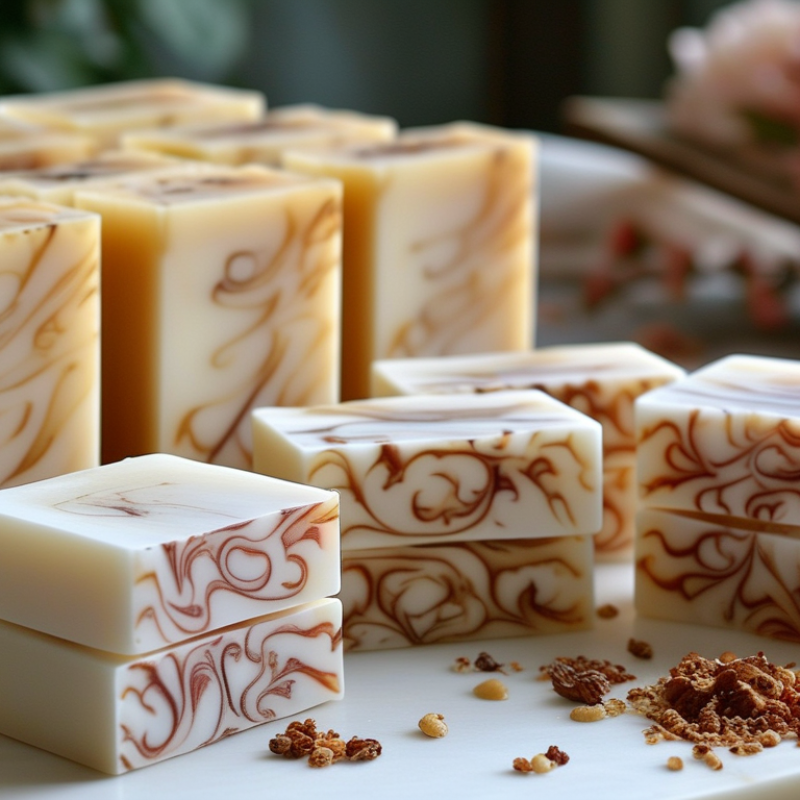
French triple milled bar soap is refined through milling rollers at least three times. This process blends soap noodles, color, fragrance, and conditioning ingredients evenly. It also removes trapped air and excess moisture. The result is a dense bar with a smooth cut surface.
It feels compact. It lasts longer.
According to Grand View Research’s 2024 soap market analysis, the global soap market exceeded USD 40 billion in 2023. The report also projects growth above 5% annually through 2030. This demand supports premium bar formats, especially products emphasizing durability and refined texture. In practical factory inspections, a well-milled bar shows fewer cracks, consistent weight, and a firm surface after curing.
Triple milling can improve fragrance distribution and reduce rapid dissolving in a wet bathroom. However, the process is not automatically better. Excessive refinement may increase energy use and production cost without improving skin feel. Formula balance still matters. Moisturizers, fragrance levels, curing time, and packaging influence the final experience.
A reliable manufacturer should verify moisture, hardness, pH, weight variation, and microbial quality through documented testing. Independent laboratory checks strengthen product claims and supplier confidence. Buyers should also review batch records and stability results, not only polished samples. Small flaws can appear after shipping. That detail deserves attention.
China Best French Triple Milled Bar Soap Manufacturer
Definition and Key Features of French Triple Milled Bar Soap
French triple milled soap is refined by passing the soap base through a milling process three times. Repeated milling produces a smoother and more uniform texture, improves fragrance and color dispersion, and helps create a dense bar with consistent performance. The comparison shows the typical number of refining passes used in common bar soap processes.
Raw Materials and the Triple Milling Manufacturing Process
Producing high-quality French triple milled soap begins with controlled raw materials. A reliable Chinese manufacturer should verify vegetable-derived soap noodles, fragrance components, pigments, and conditioning agents before production. Each batch needs traceable supplier records, moisture checks, odor inspection, and free-alkali testing. Clean, consistent inputs create a more stable bar.
The triple milling process refines the soap through closely adjusted rollers. The first pass breaks larger particles and distributes the ingredients. The second pass improves texture and color uniformity. The third pass creates a dense, smooth mass with fewer visible imperfections. Operators monitor roller pressure, feed speed, and material temperature. Excessive heat can weaken fragrance performance. It can also make the soap feel less creamy.
After milling, a vacuum plodder removes trapped air and forms a compact soap billet. Cutting and stamping must match the product’s target weight. Samples are then checked for hardness, lather, appearance, pH, and weight loss during storage. Small details matter. A tiny air pocket may become a cracked edge. In practice, no formula behaves perfectly in every season. Humidity sometimes changes the soap’s plasticity, so experienced technicians adjust moisture and milling pressure carefully rather than relying only on fixed settings.
Quality Standards for a French Triple Milled Soap Manufacturer
A French triple milled soap manufacturer must control quality from raw material approval to final packing. Experienced production teams inspect oils, fats, fragrances, colors, and additives before use. Each supplier should provide clear specifications and supporting safety documents. This step prevents inconsistent texture and unwanted odor.
Triple milling should create a dense, smooth bar with a clean cut surface. Production records should track refining, milling temperature, moisture, pressure, and batch numbers. Operators need calibrated scales and documented procedures. Small details matter. A bar that feels slightly soft may indicate excess moisture or poor refining. Hardness, weight, lather, pH, and appearance require regular testing. Microbiological checks also support product safety, especially when ingredients contain water.
A dependable facility follows recognized cosmetic manufacturing practices, such as ISO 22716 principles, while meeting applicable market requirements. It should retain samples from every batch and maintain traceability from shipment to finished carton. Packaging inspections can reveal damaged seals, incorrect labels, or missing batch codes. These issues seem minor, but they weaken customer trust. No process is flawless. A thoughtful manufacturer reviews complaints, investigates deviations, and improves procedures instead of hiding weaknesses. Independent audits and transparent test reports provide stronger evidence than attractive claims. Reliability is built through repeatable results, careful records, and honest communication with buyers.
Customization, Packaging, and Private Label Services
China Best French Triple Milled Bar Soap Manufacturer
Customization, Packaging, and Private Label Services
French triple milling creates a dense, smooth bar with consistent texture and slower dissolution. Our production experience supports custom formulas, fragrances, colors, shapes, weights, and embossed logos. Buyers can request gentle cleansing bases, botanical extracts, or fragrance-free options. Every change needs testing. A beautiful scent can still perform poorly in humid bathrooms.
Grand View Research reported that the global soap market reached approximately USD 48 billion in 2023. Its analysis also projects steady growth through 2030, driven by premium and personal-care products. Packaging strongly influences this segment. We develop paper cartons, sleeves, wrapped bars, and gift-ready sets. Our team checks dielines, print colors, barcode placement, carton strength, and moisture resistance. Recycled paper may support sustainability goals, but it can absorb ink differently.
Private label projects include formula review, sample approval, INCI ingredient lists, batch coding, certificates of analysis, and production traceability. PLMA and NielsenIQ reports have repeatedly shown strong private-label growth across European consumer goods markets. That demand requires dependable communication, not only low pricing. We provide pilot samples before bulk production and inspect weight, hardness, appearance, fragrance, and packaging accuracy. Some projects need revision. That is normal, and ignoring it creates expensive rework.
| Category | Specification | Typical or Available Details | Notes |
|---|---|---|---|
| Product Type | French Triple Milled Bar Soap | Solid cleansing bar manufactured through repeated milling, blending, refining, and pressing processes. | Triple milling helps create a smooth, dense, and uniform bar. |
| Bar Weight | Standard retail sizes | 100 g 125 g 150 g Custom weights may be developed according to the mold and packaging format. | Actual finished weight may vary slightly according to production tolerance. |
| Soap Base | Cleansing base options | Vegetable-oil soap base, palm-oil-based soap base, palm-free formulations, or other approved base systems subject to formula review. | The final ingredient list depends on the selected formulation and local regulatory requirements. |
| Formula Development | Custom formulation | Options may include fragrance-free, scented, moisturizing, exfoliating, botanical, essential-oil, sensitive-skin, and color-free formulas. | All cosmetic claims should be supported by appropriate testing and documentation. |
| Fragrance | Scent customization | Floral, citrus, herbal, woody, fruity, fresh, and unscented profiles can be evaluated through fragrance samples. | Fragrance selection should comply with applicable cosmetic fragrance standards. |
| Color and Appearance | Visual customization | Single-color, marbled, layered, natural-color, or color-free appearances may be considered depending on the formula and production process. | Color shade can vary slightly between batches because of raw materials and processing conditions. |
| Bar Shape | Mold and embossing | Common shapes include rectangular, oval, round, square, and geometric bars. Surface embossing and recessed designs may be available. | Custom tooling may require a separate development charge and approval sample. |
| Surface Finish | Pressed bar finish | Smooth, matte, polished, textured, embossed, or debossed finishes can be specified during product development. | The finish depends on the soap hardness, mold design, and pressing conditions. |
| Packaging Formats | Primary packaging | Paper wrap, folding carton, sleeve box, tuck-end carton, window box, or other paper-based formats may be developed. | Packaging material should be suitable for protecting the bar from moisture and abrasion. |
| Packaging Materials | Material selection | Paperboard, coated paper, kraft paper, recycled paper, and other printed paper materials may be considered. | Recyclability depends on the final material structure, coatings, inks, and local recycling facilities. |
| Private Label | Branding services | Private label support may include artwork review, label information preparation, packaging coordination, product coding, and production of approved branded goods. | Brand name and artwork are supplied or approved by the buyer. |
| Artwork Requirements | Print-ready files | Editable vector artwork is generally preferred, including common formats such as AI, EPS, PDF, or other printer-approved files. | Dielines, color references, barcode files, and legal text should be confirmed before printing. |
| Label Information | Required product details | Typical information includes product name, net weight, ingredient list, usage directions, warnings, batch or lot identification, responsible party, and country-of-origin information where required. | Mandatory information varies by destination market. |
| Quality Control | Production checks | Typical checks may include appearance, odor, net weight, dimensions, hardness, packaging condition, batch identification, and microbiological testing where applicable. | The inspection plan should be agreed before mass production. |
| Sampling | Pre-production approval | Formula samples, fragrance samples, packaging proofs, color references, and finished product samples may be reviewed before bulk production. | Approved samples serve as reference points for production consistency. |
| Minimum Order Quantity | Order planning | MOQ depends on formula complexity, bar weight, tooling, packaging method, printed quantity, and production scheduling. | A confirmed MOQ should be requested after the product and packaging specifications are finalized. |
| Carton Packing | Secondary and export packing | Individual units may be packed into inner cartons and master cartons with quantity, net weight, gross weight, and carton-dimension information. | Final carton configuration should be verified through a packing test. |
| Storage | Recommended conditions | Store in a cool, dry, and well-ventilated area away from direct sunlight, excessive heat, and water exposure. | Specific storage guidance should follow the validated product specification. |
| Documentation | Commercial and technical files | Potential documents include product specifications, ingredient information, safety-related documents, batch records, test reports, packaging details, and shipping documents. | Document availability depends on the product formula, market, and buyer requirements. |
| Regulatory Support | Market compliance coordination | Product information and packaging text can be reviewed against the buyer’s target-market requirements before printing and shipment. | The importer or responsible person remains responsible for final market compliance where applicable. |
How to Select a Reliable China-Based Soap Manufacturer
Selecting a reliable China-based triple milled soap manufacturer requires evidence, not attractive catalog photos. Grand View Research reported that the global soap market exceeded USD 40 billion in 2023. This scale attracts capable factories and careless intermediaries. Verify the legal manufacturing entity, factory address, export history, and production capacity before discussing price.
Ask for recent batch records, ingredient specifications, allergen controls, and microbiological test results. A dependable supplier should explain refining passes, moisture targets, fragrance loading, stamping temperature, and curing conditions. Request samples from different lots, not one hand-selected bar. Check weight variation, surface cracks, lather, scent stability, and carton compression after transit. ISO 22716 cosmetic GMP procedures provide a useful benchmark, although certification alone cannot prove daily discipline. The 2024 Smithers personal-care packaging analysis highlights growing procurement attention to packaging protection and sustainability. Inspect inner wrapping and pallet security carefully.
Audit communication, too. Can the engineer answer technical questions without hiding behind sales language? Review corrective-action records, lead-time history, payment controls, and pre-shipment inspection rules. A factory accepting independent testing deserves more confidence. Yet my checklist is imperfect; an excellent sample can still conceal weak process control. Use written specifications, staged approvals, and traceable batch coding. Small details matter: a 100-gram bar should not become 94 grams after storage.
FAQS
Vegetable-derived soap noodles, fragrance components, pigments, and conditioning agents are inspected. Supplier records, moisture, odor, and free-alkali levels are reviewed. Small defects matter.
The first pass breaks particles and distributes ingredients. The second pass improves texture and color. The third pass creates a dense, smooth mass with fewer visible flaws.
Operators monitor roller pressure, feed speed, moisture, and material temperature. Excessive heat may weaken fragrance performance. It can also reduce creaminess.
A vacuum plodder removes trapped air and forms a compact billet. The billet is cut and stamped to the target weight. A tiny air pocket may later cause a cracked edge.
Samples are checked for hardness, lather, appearance, pH, and weight loss. Microbiological checks may support product safety when water-containing ingredients are used. No test catches everything.
Buyers can request different formulas, fragrances, colors, shapes, weights, or embossed designs. Fragrance-free options and botanical extracts may also be considered. Every change needs testing.
Options may include paper cartons, sleeves, wrapped bars, and gift-ready sets. Packaging checks cover print color, barcode placement, carton strength, and moisture resistance. Recycled paper can absorb ink differently.
The process may include formula review, pilot samples, ingredient lists, batch coding, and certificates of analysis. Teams inspect weight, hardness, appearance, fragrance, and packaging accuracy. Some revisions are normal.
Conclusion
French Triple-Milled Bar Soap is valued for its dense texture, smooth finish, rich lather, and long-lasting performance. This type of soap is produced by repeatedly refining and compressing carefully selected raw materials, such as purified oils, cleansing agents, fragrances, colors, and skin-conditioning ingredients. The triple milling process helps create a uniform bar with improved hardness, consistency, and resistance to rapid dissolution. A professional manufacturer should maintain strict control over formulation, production hygiene, ingredient quality, product safety, and batch consistency throughout the manufacturing process.
A reliable China-based soap manufacturer should also provide flexible customization, including fragrance, color, shape, size, embossing, packaging, and private label solutions. Buyers should evaluate the supplier’s production capacity, quality management procedures, testing capabilities, communication efficiency, sample service, and delivery reliability before placing an order. Clear specifications, transparent pricing, stable quality, and responsive after-sales support are essential for building a successful long-term partnership.

Blog Tags: