
HE Manufacturing · Knowledge Center
Blog & Industry Insights Formulation, Private Label & Contract Manufacturing Guides
10 Best OEM Cosmetics Contract Manufacturing Companies
Table of Contents
Choosing an OEM Cosmetics Contract Manufacturing partner can shape a beauty brand’s quality, speed, and reputation. The right company does more than fill bottles. It helps turn a formula, concept, or market gap into a reliable product customers can trust.
This guide introduces 10 Best OEM Cosmetics Contract Manufacturing Companies for brands seeking practical, scalable support. Each company is assessed through relevant experience, formulation expertise, manufacturing capabilities, quality systems, packaging options, and communication standards. We also consider whether a manufacturer can support sampling, stability testing, documentation, production planning, and consistent batch performance. Small details matter. A clean filling line, clear ingredient records, and responsive project updates can prevent costly delays.
No manufacturer is perfect. That matters. A company may offer impressive laboratories but limited flexibility for smaller orders. Another may provide attractive pricing but fewer packaging choices. Product categories, target markets, minimum order quantities, and certification needs can change the final decision. Buyers should verify current credentials, facility standards, testing procedures, and regulatory responsibilities before signing an agreement. Claims should be reviewed carefully, especially for products sold across different regions.
The companies featured here represent different strengths rather than one universal winner. Some focus on skincare innovation, while others excel in color cosmetics, haircare, natural formulations, or turnkey development. Use this overview as a starting point, not a substitute for due diligence. Request samples. Ask precise questions. Then compare evidence, not promises.
What Is OEM Cosmetics Contract Manufacturing?
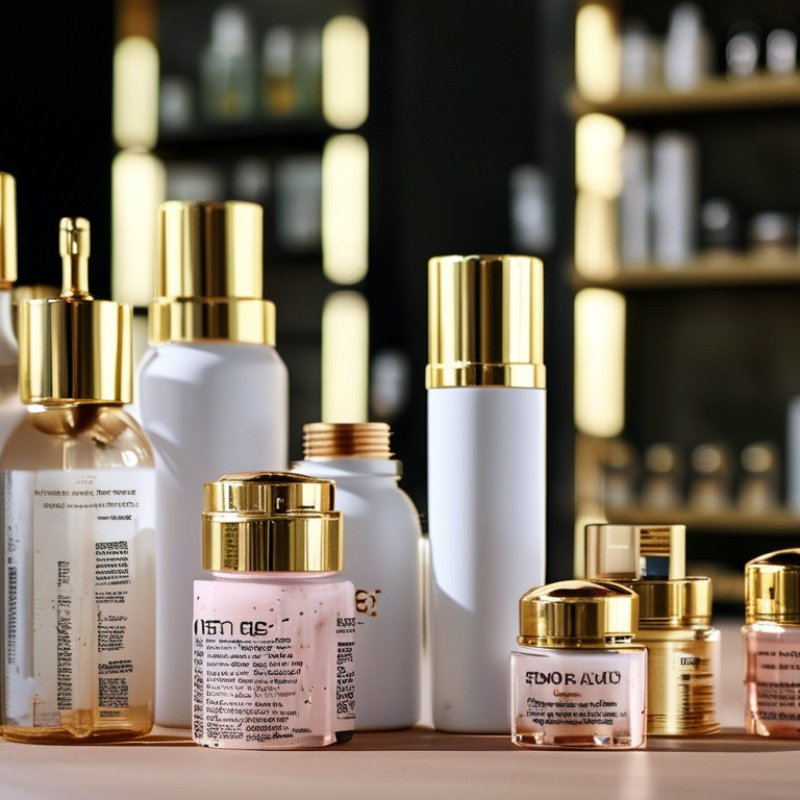
OEM cosmetics contract manufacturing means producing personal care products for a company under that company’s specifications. The manufacturer may develop the formula, source approved ingredients, fill containers, and prepare finished packaging. The client usually controls the product concept, claims, appearance, and market requirements.
A reliable OEM manufacturer follows documented quality procedures throughout production. These may include supplier qualification, batch records, microbiological testing, stability checks, and controlled filling areas. GMP-based systems help reduce contamination and consistency risks. ISO 22716 guidance can also support organized cosmetic manufacturing practices. Good partners provide samples, ingredient documents, safety information, and traceable production records. Details matter here. A small change in viscosity can affect pumps, labels, and customer experience.
In practice, the process begins with a product brief. It may specify skin feel, fragrance level, container size, target cost, and expected shelf life. The manufacturer then creates or adapts samples for review. Testing should continue after approval, especially when packaging changes. A formula may perform well in a laboratory but behave differently after transport or heat exposure. That weakness deserves attention, not concealment. Timelines can also shift when a raw material becomes unavailable. Clear communication and realistic documentation help both parties respond responsibly. The best working relationship is not perfect; it is transparent, measurable, and willing to correct mistakes.
How OEM Cosmetics Manufacturers Support Beauty Brands
OEM cosmetics manufacturers support beauty brands by turning product concepts into stable, manufacturable formulas. Experienced teams assess texture, scent, color, and skin feel during development. They also screen ingredients, test product stability, and check packaging compatibility. A sample jar may reveal separation after heat exposure or a pump that clogs during use. These practical tests protect both product quality and customer experience.
Their support extends beyond the laboratory. Regulatory specialists review ingredient declarations, product claims, safety documents, and market-specific requirements. Production teams maintain batch records, control fill weights, and conduct appropriate microbiological testing. Reliable manufacturers explain technical limits clearly. They may reject an unstable formula or question an unsupported claim. That is professional judgment, not unnecessary resistance. Clear communication helps prevent expensive revisions.
Support continues after production. Manufacturers can investigate complaints, review retained samples, and adjust viscosity or packaging when evidence supports a change. Still, OEM service is not magic. Delayed feedback, changing artwork, and unrealistic forecasts can create avoidable errors. Beauty brands should request development timelines, quality procedures, and documentation before signing a project. Even careful processes can miss a problem. Small mistakes matter. A thoughtful review after each batch can improve the next one.
Key Criteria for Selecting an OEM Cosmetics Partner
10 Best OEM Cosmetics Contract Manufacturing Companies
Selecting an OEM cosmetics partner requires more than comparing product catalogs. Start with formulation expertise and relevant production experience. Ask whether the team understands your product category, target customer, and market requirements. Request sample formulas, stability data, and clear explanations of ingredient choices. A capable partner should explain technical limits without hiding behind vague promises. That matters.
Quality systems deserve careful attention. Review manufacturing facilities, batch records, raw material traceability, and testing procedures. Check how the company manages microbial testing, stability testing, deviations, and corrective actions. Verify current certifications through reliable documents, not attractive website claims. If possible, conduct an on-site audit or use an independent auditor. Small details reveal operational discipline, such as labeled storage areas and controlled temperature logs.
Commercial fit is equally important. Compare minimum order quantities, lead times, packaging options, and production capacity. Confirm who handles artwork checks, quality release, and shipping documentation. Protect your formula, product files, and ownership rights with precise written agreements. Communication should be tested before signing. Send difficult questions and observe the response time. A polished sample can mislead. A common mistake is choosing the lowest quote before reviewing hidden costs. No partner is perfect. I would also examine how the manufacturer reacts when a pilot batch needs adjustment, because real production rarely follows the first plan exactly.
Top 10 OEM Cosmetics Contract Manufacturing Companies
10 Best OEM Cosmetics Contract Manufacturing Companies
The Top 10 OEM Cosmetics Contract Manufacturing Companies should be judged by evidence, not advertising. McKinsey reports that the global beauty market may reach about $580 billion by 2027. This growth increases pressure on manufacturers to deliver consistent quality and faster launches.
A practical Top 10 evaluation should examine formulation expertise, production capacity, minimum order quantities, and regulatory documentation. Strong suppliers provide ingredient traceability, batch records, certificates of analysis, and microbial testing. ISO 22716-based procedures also support safer manufacturing and cleaner production areas. Grand View Research estimates that the global beauty and personal care market will continue growing strongly through 2030. Therefore, flexible OEM partners can help smaller companies test limited product runs before scaling.
The best ten manufacturers should also show real stability data. Look for packaging compatibility tests, accelerated aging records, and clear fill-weight controls. Airless pumps, sealed jars, and tamper-evident cartons require different testing methods. A capable partner explains these differences without hiding technical limits. Cost matters, but the cheapest quotation may create expensive rework. That is easy to overlook.
Independent audits, factory visits, and verified customer references improve reliability. However, rankings remain partly subjective. A supplier with excellent laboratories may struggle with small orders. Another may offer fast sampling but limited international documentation. Buyers should review recent performance, not rely on a permanent Top 10 label.
How to Compare Services, Quality, and Production Capabilities
Choosing among the 10 best OEM cosmetics contract manufacturing companies requires more than comparing price lists. Examine their formulation experience, ingredient sourcing, testing procedures, and production records. Ask whether their laboratories can develop stable creams, cleansers, serums, or color products for your target market. A capable partner should explain compatibility testing, microbial control, packaging trials, and shelf-life evaluation clearly.
Production capability matters just as much. Confirm minimum order quantities, pilot batch options, equipment capacity, filling accuracy, and lead times. Request evidence of documented quality systems and regular facility inspections. A factory may offer attractive samples but struggle with scale-up. I have seen promising formulas change during larger production runs. That gap deserves careful attention.
Tips: Compare sample batches, not promises. Ask for test reports and process timelines. Check how complaints are recorded and corrected. Review communication speed, since delayed answers often signal delayed production. Also, do not judge quality from appearance alone. Texture, scent, color, and packaging performance can shift after heat, transport, or storage. Leave room for improvement; even a well-managed project may need a second testing cycle. Choose the supplier that explains risks honestly, not the one that claims everything is perfect.
10 Best OEM Cosmetics Contract Manufacturing Companies — How to Compare Services, Quality, and Production Capabilities
This chart presents a practical 100-point evaluation framework for comparing cosmetics OEM and contract manufacturing partners. Quality and regulatory compliance receive the highest weighting because recognized cosmetic GMP practices, documented quality systems, product testing, batch traceability, and consistent production controls are essential when selecting a manufacturing partner.
FAQS
It means producing personal care products under a client’s specifications. The manufacturer may develop formulas, source approved ingredients, fill containers, and prepare packaging. The client usually controls the concept, appearance, claims, and market requirements.
Look for supplier qualification, batch records, microbiological testing, and stability checks. Controlled filling areas can reduce contamination risks. GMP-based systems support consistent production. ISO 22716 guidance may also help organize cosmetic manufacturing practices.
Request samples, ingredient documents, safety information, and traceable production records. Ask for clear testing reports and production timelines. Small details matter. A slight viscosity change can affect pumps, labels, and user experience.
It normally starts with a product brief. The brief may describe skin feel, fragrance strength, container size, target cost, and shelf life. The manufacturer then creates or adjusts samples for review. Approval should not end testing.
A formula may perform well in a laboratory but change during transport or heat exposure. A cream might separate inside a sample jar. A pump may clog after repeated use. Testing should continue when packaging changes. That assumption can fail.
Compare formulation experience, ingredient sourcing, testing procedures, and production records. Ask about creams, cleansers, serums, or color products relevant to your market. Review compatibility testing, microbial control, and shelf-life evaluation. Compare sample batches, not promises.
Confirm minimum order quantities, pilot batches, equipment capacity, filling accuracy, and lead times. Ask whether the facility can scale a formula without major changes. A promising sample may behave differently during larger production runs. Scale-up deserves careful attention.
Ask how complaints are recorded, investigated, and corrected. Manufacturers may review retained samples and examine batch records. They can sometimes adjust viscosity or packaging when evidence supports a change. No process is flawless. A thoughtful review can improve the next batch.
Conclusion
OEM Cosmetics Contract Manufacturing enables beauty brands to develop and produce skincare, makeup, haircare, and personal care products through specialized manufacturing partners. These companies can support the entire product journey, from concept development and formulation to packaging, quality control, testing, and large-scale production. By working with an experienced partner, brands can access technical expertise, flexible production options, and efficient processes without building their own manufacturing facilities.
This overview explains how to select the right OEM cosmetics partner by examining formulation capabilities, ingredient standards, certifications, minimum order quantities, production capacity, packaging support, lead times, and communication. It also introduces ten leading types of OEM cosmetics manufacturers and highlights how their services may differ. Comparing quality systems, development support, customization options, pricing, and supply chain reliability can help beauty businesses choose a partner that matches their product goals, budget, target market, and expected growth.

Blog Tags: